Column · @erickjmik201
Replacing Broken or Damaged Teeth With Dental Implants in Bakersfield CA

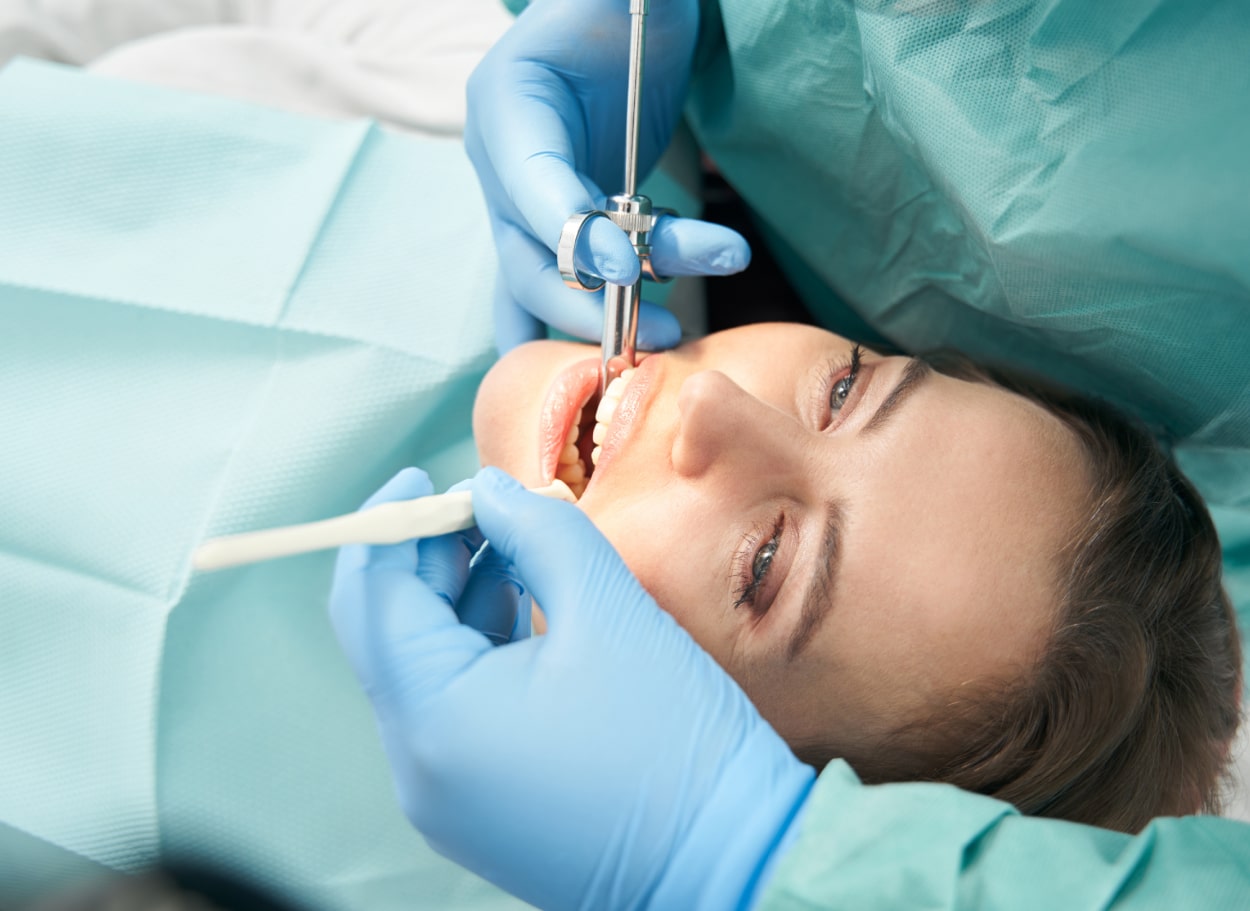

A broken tooth changes more than your smile. It can alter the way you chew, the way you speak, and the way you carry yourself in everyday conversations. Some people come in after a sports injury or a fall. Others have lived with an old crown, a cracked root, or advanced decay for years and finally reach the point where repair no longer makes sense. When a tooth cannot be saved, the next decision matters. For many adults, dental implants offer the most stable and natural replacement available.
If you are exploring Dental Implants Bakersfield CA, it helps to understand what implants actually do, who tends to benefit most, and where the process requires patience. This is not a cosmetic shortcut. It is a method of replacing the missing tooth root as well as the visible part of the tooth, which is why it feels different from a bridge or a removable denture. When treatment is planned well, the result can be remarkably close to having your own tooth back.
Why implants are different from simply replacing the visible tooth
Most people think of a tooth as the white portion above the gums. Clinically, that is only part of the story. The root anchors the tooth into bone, helps absorb chewing force, and plays an important role in keeping the jaw stable over time. Once a tooth is lost, the surrounding bone no longer receives the same stimulation. Gradually, that bone can shrink.
A dental implant addresses this problem by placing a small titanium or titanium alloy post into the jawbone, where it serves as an artificial root. After healing, a connector and a custom crown are attached on top. The restoration looks like a tooth, but the real advantage lies underneath. The implant gives the bone something to function around, which is one reason it tends to preserve facial structure and bite stability better than options that rest only on the gums or borrow support from neighboring teeth.
That difference matters in daily life. A bridge can be an excellent restoration in the right case, but it usually requires shaping the teeth next door. A removable partial may restore appearance and some chewing ability, but it can move slightly, collect food, and feel less secure. Patients often describe an implant crown as the closest thing to having their own tooth again, especially in the back of the mouth where bite pressure is higher.
When a broken or damaged tooth should be evaluated for extraction and replacement
Not every cracked or infected tooth needs to come out. Dentists save teeth whenever there is a predictable way to do so. Root canal therapy, crowns, buildups, and periodontal treatment can all preserve a damaged tooth when the foundation is still sound. The conversation shifts when damage extends below the gumline, when decay reaches deep under the bone, or when a vertical root fracture makes long-term success unlikely.
This is where experience and judgment matter. A tooth may look salvageable on a quick exam but fail under function six months later if the remaining structure is too weak. On the other hand, some teeth that appear rough on an X-ray can still serve for years with the right treatment. The best implant plans often begin with an honest question: is this tooth truly restorable, or are we forcing a heroic fix that will cost more and last less?
A common example is the heavily broken molar. If the crack runs into the root, placing another crown may simply delay the inevitable. Another example is the front tooth that suffered trauma years ago, darkened over time, and now has recurrent infection or severe root resorption. In cases like these, replacing the tooth with an implant can provide a cleaner long-term solution than repeated patchwork dentistry.
What the implant process usually looks like
People often expect a single appointment and a finished tooth. That can happen in select cases, but most implant treatment unfolds in phases. The exact sequence depends on the condition of the failing tooth, the amount of available bone, the health of the gums, and the location in the mouth.
First comes the evaluation. This typically includes an exam, digital imaging, and often a 3D scan so the dentist can measure bone width, height, and the relationship to nearby structures such as the sinus or nerves. Planning is not a formality here. A few millimeters can determine whether treatment is straightforward or whether grafting is needed.
If the damaged tooth is still present, it may be extracted and the site cleaned thoroughly. Sometimes the implant can be placed immediately after extraction. Sometimes the socket needs time to heal first. Immediate placement can be efficient and preserve tissue contours, particularly in the front, but only when infection, bone support, and stability line up in a favorable way. Forcing an implant into a poor site simply because same-day treatment sounds appealing usually backfires.
Once the implant is placed, the body needs time to integrate with it. This biological process, called osseointegration, usually takes a few months. During that period, some patients wear a temporary tooth while others simply allow the area to heal, depending on the location and cosmetic concerns. After healing, the implant is uncovered if necessary, a connector called an abutment is placed, and impressions or digital scans are taken for the final crown.
There is a practical side to this that patients appreciate hearing plainly. The surgery itself is often easier than expected. The waiting is the harder part. Implant treatment rewards patience, and the best outcomes tend to come from resisting the urge to rush.
Bone loss, gum health, and why timing matters
One of the biggest variables in implant dentistry is what happens after a tooth is lost. Bone resorption starts early. In the first several months after extraction, the ridge can shrink noticeably, especially in width. In the front of the mouth, that shrinkage can affect not only whether an implant fits, but also the shape of the gumline and the appearance of the final crown.
This is why early evaluation matters, even if you are not ready to proceed immediately. Preserving the socket with grafting at the time of extraction can reduce the amount of collapse that occurs during healing. It does not freeze the bone in place forever, but it often makes later implant placement simpler and more esthetic.
Gums matter just as much as bone. Active periodontal disease is one of the most common reasons implant treatment gets delayed. If the mouth is inflamed, bleeding heavily, and carrying a high bacterial load, placing an implant into that environment is not ideal. The gum disease needs to be stabilized first. In practice, the most successful implant cases are often the ones where the dentist slows down, treats the surrounding tissues, improves home care, and builds on a healthy base.
Who tends to be a good candidate
Most healthy adults can at least be evaluated for implant treatment, but suitability is not a simple yes-or-no question. It is more accurate to think in terms of conditions that make success easier, conditions that require modifications, and conditions that raise risk enough to warrant a different plan.
A strong candidate usually has enough bone for support, healthy gums, and a commitment to maintenance. Smoking, uncontrolled diabetes, heavy grinding, and poor oral hygiene do not automatically rule someone out, but they do change the discussion. They can slow healing, increase complication rates, and shorten the lifespan of the restoration if they are not managed carefully.
The best consultations are candid. If someone clenches hard enough to break natural teeth, the implant crown must be designed with that force in mind, and a night guard may be strongly recommended. If a patient has worn a lower denture for years and has significant bone loss, a graft or an implant-supported overdenture may be more realistic than trying to replace every missing tooth with individual implants.
Here are a few signs that implant treatment may be worth discussing in more detail:
- A tooth is cracked, severely decayed, or infected beyond predictable repair.
- A missing tooth is affecting chewing, speech, or confidence.
- A removable denture or partial feels unstable or uncomfortable.
- Neighboring teeth are healthy, and you want to avoid grinding them for a bridge.
- You are willing to commit to healing time and long-term maintenance.
Single tooth implants versus larger implant cases
Replacing one tooth is often the clearest use of an implant. If a single molar has failed and the teeth on either side are healthy, an implant can restore function without touching those adjacent teeth. This is one of the most conservative applications of implant dentistry, even though it involves surgery. It is conservative because it preserves what is still healthy.
Larger cases become more complex. When several teeth are missing, the dentist may recommend individual implants, an implant bridge, or an implant-retained removable appliance. The best choice depends on anatomy, cost, esthetics, bite force, and hygiene ability. More implants are not always better. In some full-arch situations, a carefully designed prosthesis supported by four to six implants can function beautifully and be easier to maintain than a plan that tries to mimic every tooth with a separate implant.
Front teeth also deserve special mention. Restoring an upper front tooth with an implant can be one of the most rewarding treatments in dentistry, but it is also one of the most technique-sensitive. Tiny differences in implant angle, gum thickness, and bone contour show up quickly when a patient smiles. In that region, planning should be driven as much by esthetics and tissue support as by the simple ability to place the implant.
The experience of healing, discomfort, and recovery
Most patients are surprised that implant surgery is not especially dramatic afterward. There is usually some soreness, swelling, and occasional bruising, especially if grafting is involved, but the discomfort is often compared to having a tooth removed rather than to major surgery. Recovery tends to be measured in days for the initial soreness and months for the internal healing that cannot be seen.
The practical instructions matter. Soft foods, gentle oral hygiene around the site, and avoiding pressure on a temporary restoration can make a real difference. Smokers often underestimate how much smoking https://keeganuugz451.clearhavendigest.com/posts/same-day-dental-implants-bakersfield-ca-what-you-should-know affects blood flow and healing. Even reducing or pausing during the healing window can improve outcomes.
One thing patients should know is that “feeling fine” does not mean the implant is ready for full function. Bone integration happens slowly. An implant can seem stable early on and still fail if loaded prematurely. That is another reason the timeline varies from person to person. The body, not the calendar, determines readiness.
Cost, value, and what people are really paying for
Implants are rarely the cheapest way to replace a tooth. That part is obvious. What is less obvious is what drives the price. You are paying for diagnosis, surgical planning, imaging, the implant components, the surgery itself, any grafting materials, the custom abutment or connector, the final crown, and the expertise to coordinate all of it. When people compare fees, they often compare only the implant fixture and miss half the treatment.
That does not mean the most expensive office is the best choice, or that every case requires premium add-ons. It does mean value should be judged by thoroughness, transparency, and fit. A lower fee loses its appeal quickly if important diagnostics are skipped or if a restoration is poorly positioned and difficult to clean.
In Bakersfield, as in most areas, costs vary depending on whether the case is straightforward or requires grafting, sinus elevation, tissue management, or specialist involvement. A simple single implant case may be very different from replacing a failed front tooth in an esthetic zone or stabilizing a lower denture with multiple implants. Patients benefit from asking for a complete estimate that includes each treatment phase, not just the surgical portion.
How long dental implants can last
No ethical dentist should promise that an implant will last forever. Plenty last for many years, and some for decades, but longevity depends on biology, bite force, hygiene, medical history, and the quality of the restorative design. The implant itself and the crown on top live different lives. The crown may need maintenance or replacement sooner than the implant body. Screws can loosen, porcelain can chip, and gums can recede.
The bigger risk over time is not usually that the titanium somehow “wears out.” It is inflammation around the implant, often caused by plaque accumulation and compounded by smoking or inconsistent care. This condition, peri-implant disease, can lead to bone loss if ignored. Implants do not get cavities, but they absolutely can fail when maintenance slips.
That is why the old phrase “set it and forget it” has never belonged in implant dentistry. The patients who do best are often the least glamorous cases, the people who show up for regular cleanings, wear their night guard, and take a few extra minutes every day to clean around the implant properly.
Choosing the right provider in Bakersfield
Searching for Dental Implants Bakersfield CA usually brings up a long list of offices, each promising comfort, technology, and beautiful outcomes. Those things matter, but a better screening question is whether the team explains your case clearly. You want a provider who can tell you not only what they recommend, but why the alternatives are less suitable.
Experience matters, especially in complicated cases, but so does communication. A strong implant consultation should cover the condition of the failing tooth, the state of the bone and gums, whether grafting is likely, the expected timeline, temporary tooth options, approximate fees, and the risks that apply to your specific health history. If you grind, smoke, have diabetes, or have lost bone, those factors should be part of the plan, not brushed aside.
These are useful questions to bring to a consultation:
- Is my tooth restorable, or is extraction the more predictable long-term choice?
- Will I likely need bone grafting or gum tissue treatment?
- Can the implant be placed immediately, or is staged treatment safer?
- What will I wear or use while the site heals?
- What kind of maintenance will this implant require over the years?
A thoughtful answer to those questions tells you a great deal about the quality of the planning.
When an implant may not be the best answer
Implants are excellent, but they are not the right answer in every mouth. If a patient cannot maintain the area, has uncontrolled periodontal disease, or cannot tolerate the time and cost involved, another solution may be more practical. Some older adults do very well with a well-made bridge or a relined partial denture, particularly when surgery is not ideal medically.
There are also situations where saving the natural tooth is genuinely better. A healthy tooth structure, even if it needs a crown or root canal treatment, can still outperform an implant when the prognosis is strong. Dentistry works best when it is not driven by trends. Preserving natural teeth where possible remains a sound principle.
This is one reason second opinions can be helpful. Not because every treatment recommendation is suspect, but because major decisions deserve clarity. If one office says the tooth must come out and another says it can be saved predictably, it is worth understanding the reasoning on both sides.
Living with the final result
The best implant restorations tend to disappear into a person’s routine. You stop thinking about the gap when you smile. You stop chewing around one side. You stop worrying that a denture will move during dinner or a conversation. The goal is not just a tooth-shaped object. It is restored function, comfort, and confidence.
Patients often tell a similar story after successful treatment. At first they are focused on the surgery and the waiting. Later, what they remember is the relief of eating without hesitation. An implant crown in the back of the mouth may never be seen by anyone else, yet it can change daily life more than a visible cosmetic procedure because it restores the ordinary habits people miss the most.
For broken or damaged teeth that cannot be saved, that is the real promise of implant treatment. Not perfection, and not instant results, but a durable, biologically sound replacement that respects the structure of the jaw and the demands of real life. For many adults considering Dental Implants Bakersfield CA, that combination of function, stability, and long-term value is exactly what makes implants worth serious consideration.
Smyle Dental Bakersfield
2016 E St, Bakersfield, CA 93301, United States
+16614939040
FAQ About Dental Implants Bakersfield CA
What is the downside of a dental implant?
The main downsides of dental implants involve high financial costs, surgical risks, a lengthy healing process, and the potential for long-term complications.
How much does a full set of implants usually cost?
A full set of dental implants (covering both the upper and lower arches) typically ranges from $6,000 to $90,000+, depending heavily on the type of treatment, materials used, and whether the teeth are fixed or removable.
Can I have all my teeth pulled and get implants?
Yes, you can have all your teeth pulled and replaced with dental implants. Instead of placing a separate implant for every single tooth (which is costly and time-consuming), dentists typically use full-arch systems.