Column · @erickjmik201
How Local Care Makes Wisdom Teeth Removal in Oxnard CA More Convenient
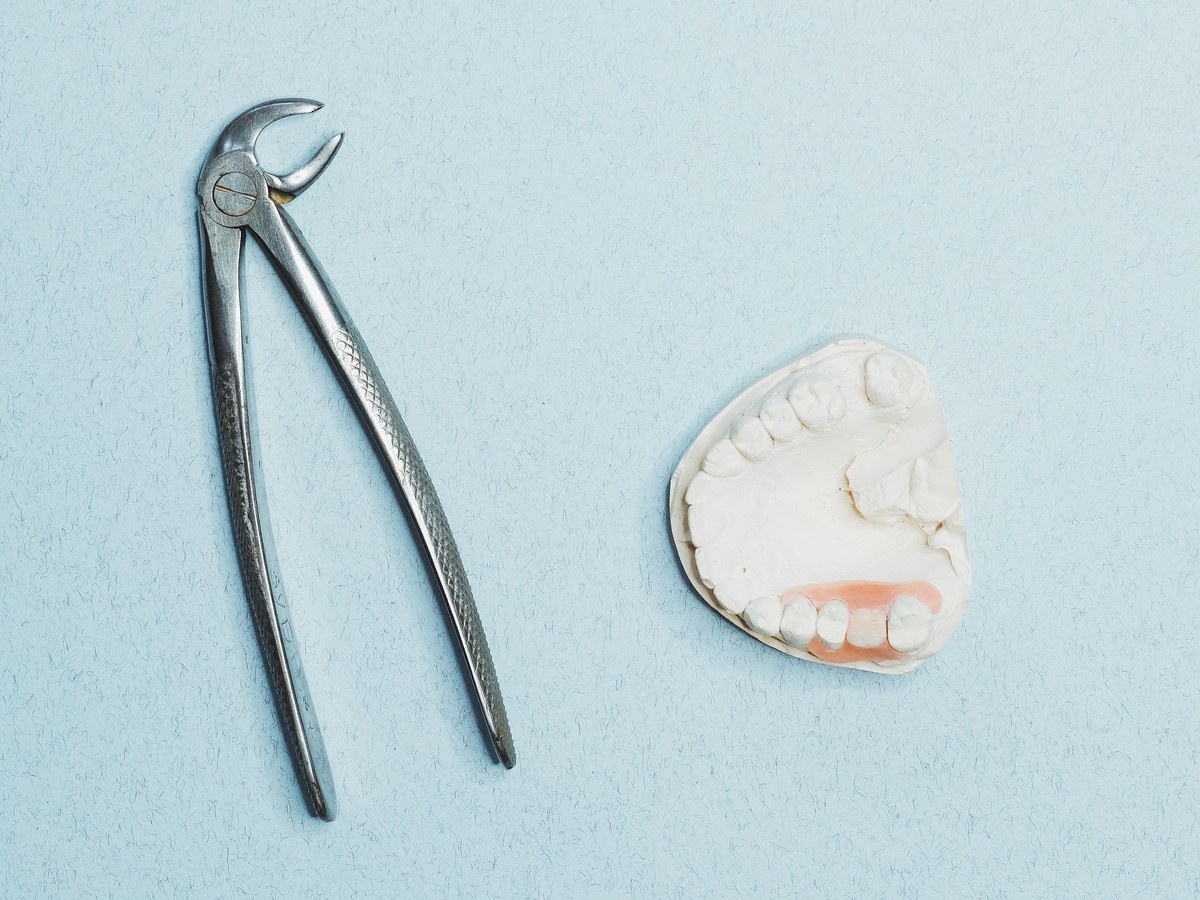
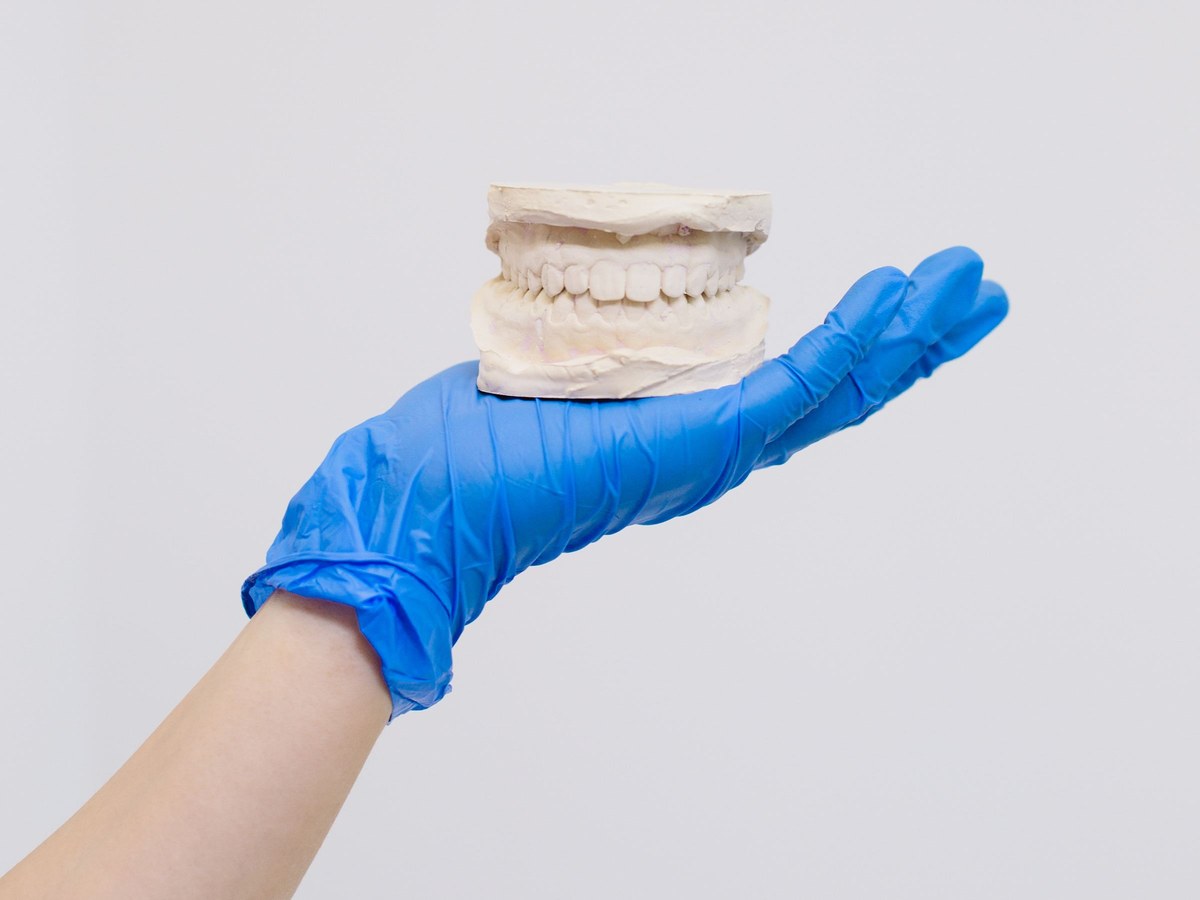
For many people, wisdom teeth removal sits in a strange category of healthcare. It is common enough that most families know someone who has done it, but personal enough that every case feels a little uncertain when it is your own mouth, your schedule, and your recovery on the line. What looks simple on paper can become complicated fast when pain flares during finals week, a teen needs surgery before sports season starts, or an adult patient tries to fit an oral surgery appointment around work, childcare, and transportation.
That is where local care matters more than people often expect. Choosing a nearby provider for Wisdom Teeth Removal Oxnard CA is not just about shaving a few minutes off the drive. It changes the whole experience, from the first consultation to the follow-up call after surgery. Convenience in healthcare is rarely about laziness. More often, it is about reducing friction at every step so treatment happens on time, recovery goes more smoothly, and people are less likely to put off care they genuinely need.
In a place like Oxnard, where families juggle school calendars, agricultural work shifts, naval schedules, commuting demands, and the plain reality of Southern California traffic, local access can make the difference between a manageable procedure and a drawn-out hassle.
Convenience starts before the procedure
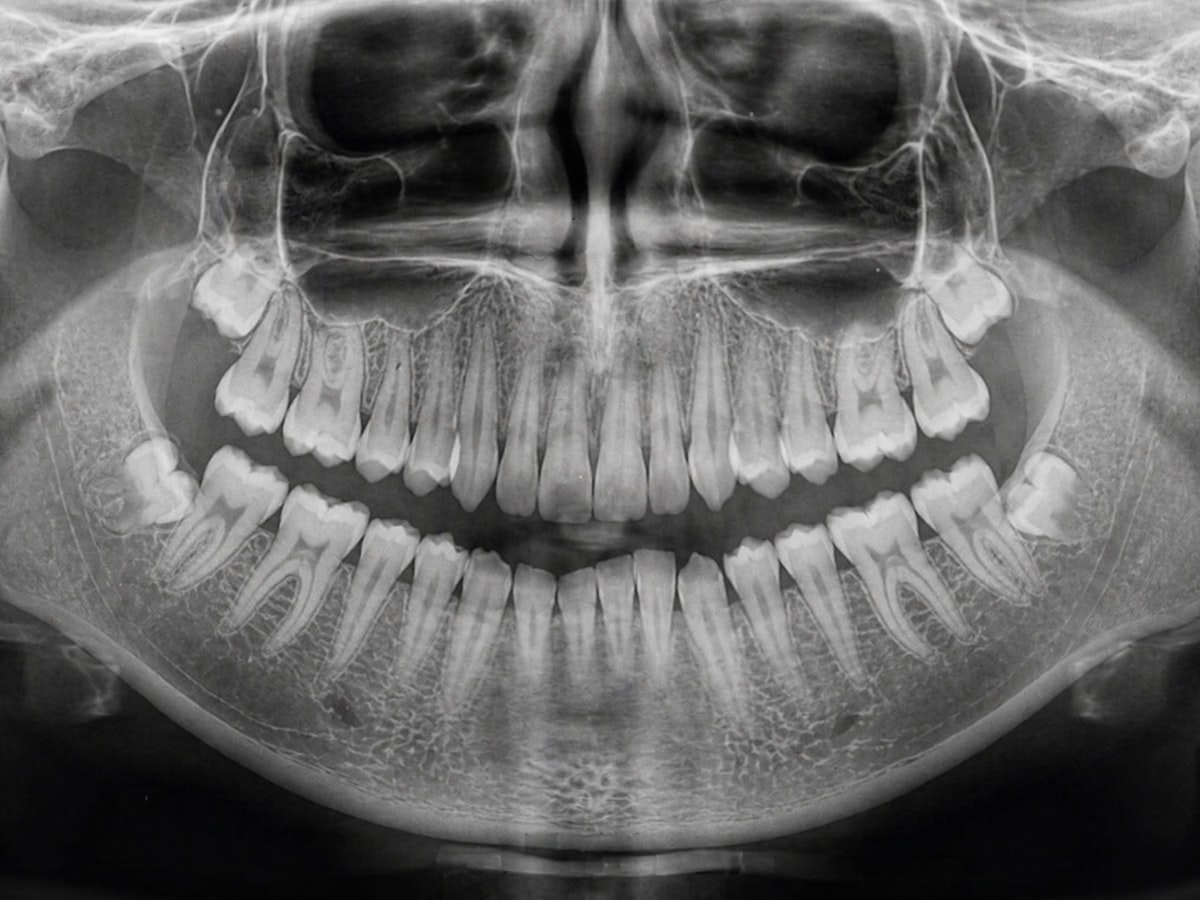
Most people think about wisdom teeth removal as a single day event. In practice, it begins earlier. There is the first exam, often prompted by crowding, jaw soreness, gum irritation, or a general dentist noticing impacted teeth on X-rays. Then there is scheduling, insurance coordination, pre-op instructions, arranging a ride home, and planning time off.
When the oral surgeon is local, each one of those tasks becomes easier to handle. A consultation does not require half a day blocked off for freeway travel. Parents do not need to pull siblings out of school just to make the logistics work. College students living at home can come in between classes. Working adults can sometimes schedule around a lunch break or leave work early rather than burn an entire day of paid time off.
That kind of flexibility sounds minor until you have lived through the alternative. Anyone who has driven an anxious teenager 45 minutes each way for a consult, then turned around a week later for surgery, then made the same trip again because a follow-up question came up, understands that “local” is not a cosmetic benefit. It reduces strain on everyone involved.
There is also a practical point many people miss. Wisdom teeth issues can change quickly. A tooth that was mildly bothersome last month can become acutely painful after partial eruption, gum inflammation, or food trapping around the back molars. When care is nearby, patients tend to seek help sooner. That often means less suffering, fewer urgent workarounds, and a calmer treatment plan.
Oxnard families often need care that fits real life
Convenience is never one-size-fits-all. In Oxnard, local oral surgery often serves a broad mix of patients. Teenagers may need removal before the roots fully develop, which can sometimes simplify the procedure and recovery. Adults may be dealing with longstanding impactions that were easy to ignore until they started affecting neighboring teeth or causing repeated gum infections. Military families may face compressed timelines before relocation. Agricultural and service workers may have narrow windows for elective treatment because missing work during busy periods is not realistic.
A nearby practice is usually better positioned to work with these realities. Staff who serve the local community every day often understand the cadence of school schedules, holiday traffic, and the need for early appointments. That local familiarity does not replace clinical skill, of course, but it can improve the patient experience in ways that matter. Office systems tend to run better when they are designed around the rhythms of the people they actually treat.
I have seen this play out repeatedly with oral surgery patients who delayed care because the treatment itself felt manageable, but the logistics felt impossible. Once they found a nearby office, the barriers became smaller. They could come in for an evaluation without rearranging the entire week. They could get questions answered quickly. Their designated driver did not have to lose a full day. What they had framed as “I’m not ready yet” was often really “I can’t make the process work.”
Shorter travel is not just easier, it can be safer
Wisdom teeth removal involves more than arriving at the office and heading home. Depending on the case, patients may receive local anesthesia, nitrous oxide, oral sedation, or IV sedation. After the procedure, they may feel groggy, sore, or disoriented. A long ride home after oral surgery is rarely pleasant. For some patients, it increases nausea, swelling discomfort, and overall stress.
A shorter trip back home gives patients a quicker path to their own bed, couch, ice packs, and medications. That matters in the first few hours after surgery, when bleeding control, hydration, and rest are most important. It also helps the person driving them home. A parent or spouse who is focused on a recovering patient usually prefers local streets and a brief drive over a longer route with traffic congestion.
There is another safety angle here. Sometimes patients need clarification after they get home. They may wonder whether the gauze is normal, whether a certain amount of swelling is expected, or when to start rinsing gently. If the office is local, communication tends to feel more accessible. Even when advice is given by phone, patients often feel reassured knowing they are physically close if an in-person check becomes necessary.
Follow-up care is easier when the office is close
A smooth wisdom teeth procedure does not always require many follow-up visits, but they do happen. Sutures may need to be checked. A site may be healing more slowly than expected. Food may become trapped in an extraction area. Dry socket concerns may need evaluation. Some patients simply benefit from reassurance, especially if it is their first oral surgery.
Local care makes those touchpoints much less disruptive. When a patient lives near the office, they are more likely to come in promptly if something feels off. That is good medicine. Problems caught early are usually easier to manage than problems ignored for several days because the office feels inconveniently far away.
The same applies to routine communication. A patient who develops stiffness in the jaw on day three may call sooner if they already feel a rapport with a nearby team. A college student home in Oxnard for break may get timely post-op support rather than trying to troubleshoot discomfort from a distant clinic. These are small but meaningful advantages that improve the overall experience.
The local team often knows local referral patterns
Wisdom teeth removal usually begins with a referral from a general dentist, though not always. A strong local network between dentists and oral surgeons can make the process smoother. X-rays transfer more efficiently. The surgeon may already know the referring dentist’s style and documentation. If there are questions about spacing, orthodontic timing, or neighboring teeth, communication tends to move faster when everyone is operating in the same community.
This local coordination can save patients from repeating imaging, waiting longer for records, or acting as the go-between for clinical details they may not fully understand. For families, that efficiency feels like convenience. Clinically, it can also support better timing and continuity.
There is a quieter advantage as well. Local practices often build reputations the old-fashioned way, through repeated patient experiences over many years. Friends, coworkers, coaches, and neighbors compare notes. While reputation alone should never replace proper evaluation, it can help patients feel more confident asking practical questions and choosing a provider whose approach fits their needs.
Timing matters with wisdom teeth, and convenience affects timing
Many wisdom teeth removals are not emergencies, but timing still matters. A partially erupted wisdom tooth can trap bacteria under a gum flap. An impacted tooth may press against the second molar or create a hard-to-clean area that repeatedly becomes inflamed. For some patients, the issue is not severe pain but recurring nuisance, bad taste, swelling, pressure, or food impaction that keeps returning.
People are far more likely to move forward with treatment when scheduling feels doable. That is one of the biggest hidden benefits of local care. It reduces procrastination. If a patient can drive a short distance for a consult this week, schedule surgery next week, and recover at home the same day without a complicated travel plan, treatment tends to happen before the problem worsens.
That can affect recovery, too. Younger patients often heal predictably and may have fewer complications than adults with deeply developed roots or longstanding impactions. This is not a universal rule, and each case depends on anatomy and health history, but delayed treatment can make the overall process more involved. Convenience, in that sense, is not separate from clinical outcomes. It can influence when patients seek care, which in turn shapes the case itself.
What local convenience looks like in practice
Patients often describe convenience in broad terms, but on the ground it usually comes down to a handful of practical details:
- easier scheduling around work, school, and family obligations
- less time spent in traffic before and after surgery
- simpler coordination for a driver or caregiver
- faster access if post-op questions or concerns arise
- better continuity with local dentists and specialists
None of these points sounds dramatic on its own. Together, they reduce the total burden of care. That matters because oral surgery is stressful enough without adding preventable obstacles.
Recovery feels different when home is close
Anyone who has had a dental extraction knows that the first evening matters. Patients need to rest, follow instructions, stay on top of fluids, and resist the temptation to poke at the area with their tongue. It is much easier to settle into recovery when you are https://judahdmaj615.inkharbory.com/posts/what-age-is-best-for-wisdom-teeth-removal-in-oxnard-ca home quickly instead of sitting through a long drive while numbness wears off and discomfort begins to set in.
For parents caring for teens, local treatment also helps with the inevitable forgotten item. Maybe the prescribed mouth rinse needs to be picked up, or the patient wants an extra ice pack, or a family member needs to step out for soft foods. Recovery tends to run more smoothly when the entire day is not consumed by transportation. People can focus on care rather than logistics.
I have also noticed that patients who stay local often feel more emotionally grounded. Oral surgery can trigger anxiety even when the procedure is routine. Familiar roads, a short route home, and the knowledge that the office is nearby can lower stress in ways that are hard to quantify but easy to recognize. A calm patient usually has a better overall experience than one who feels disoriented and far from home.
Not every case is simple, which makes proximity even more valuable
Some wisdom teeth cases are straightforward. Others are not. Teeth may be fully impacted, angled toward adjacent molars, close to major nerves, or associated with cyst-like changes that require careful evaluation. Adult patients may have denser bone and a somewhat different recovery pattern than teenagers. Medical conditions, medications, and smoking status can also affect surgical planning and healing.
In more complex cases, patients often need a little more communication before and after surgery. They may want a fuller conversation about imaging, sedation options, expected swelling, or numbness risk. After surgery, they may have questions about trismus, uneven soreness between sides, or how long it will take before normal chewing feels comfortable again.
This is where local access continues to pay off. Proximity makes it easier to keep the lines of communication open. It lowers the threshold for a quick post-op check if the surgeon wants to evaluate healing rather than guess over the phone. It also makes it more realistic for family members to attend the consultation and hear instructions directly, which can be especially helpful when the patient is a teen or when sedation is part of the plan.
Convenience should never replace quality, but the two can work together
There is an important distinction here. Local care is valuable, but only if the provider is qualified, communicative, and appropriate for the case. Convenience alone should not drive the decision. A nearby office that does not explain treatment clearly or lacks the right experience is not the best choice just because it is close.
The stronger approach is to look for both: skilled care and practical access. Patients considering Wisdom Teeth Removal Oxnard CA should pay attention to clinical experience, how thoroughly the team explains risks and recovery, what sedation options are available, and whether the office seems organized. If those boxes are checked, the local setting becomes a major advantage rather than a compromise.
A good consultation usually leaves patients with a clear understanding of why removal is recommended now, what the imaging shows, how the procedure will likely go, and what the recovery window may look like. It also gives them space to ask real-life questions, such as when they can return to work, how many days of swelling to expect, and whether travel or sports should wait.
Questions worth asking at the consultation
A short list of thoughtful questions can tell patients a lot about whether a local practice is the right fit:
- How impacted are the teeth, and does the position make surgery more involved?
- What type of anesthesia or sedation is appropriate for this case?
- How many recovery days should I realistically plan for?
- What symptoms after surgery are normal, and which ones should prompt a call?
- If I have concerns afterward, how easy is it to reach the office?
These are not trick questions. They are the kinds of concerns patients actually live with once they leave the office. A team that answers them clearly is usually a team that respects both the clinical and practical sides of care.
Local care supports the people around the patient too
It is easy to focus only on the person having the surgery, but wisdom teeth removal often involves a small support system. Someone has to drive. Someone may need to pick up medication. Someone may monitor the first few hours after sedation. For teenagers, that often means a parent shifting work responsibilities. For adults, it may mean a spouse, sibling, or friend taking part of the day off.
When treatment stays local, the impact on that support system is smaller. The designated driver can return home faster or get back to work sooner. Childcare needs may be easier to manage. Elderly family members who are helping can participate without a strenuous trip. These practical details rarely appear in clinical brochures, but they matter in real households.
This is one reason local oral surgery tends to feel more humane. It acknowledges that healthcare does not happen in a vacuum. People bring jobs, school schedules, caregiving obligations, anxiety, and transportation constraints with them. A nearby office cannot remove every challenge, but it can strip away enough of the extra burden to make treatment feel manageable.
Why convenience often improves follow-through
Missed consultations, delayed procedures, and incomplete post-op care are common in every area of medicine. A major reason is simple friction. If getting care feels cumbersome, people postpone it. They tell themselves the symptoms are tolerable, or that next month will be easier, or that they will wait until after the holidays. Sometimes that works out. Often it does not.
Local care improves follow-through because it lowers the activation energy required to act. The appointment is closer. The planning is simpler. The follow-up feels accessible. The patient is less likely to disappear between referral and treatment. In practical terms, that can mean fewer episodes of recurrent pain, fewer urgent visits for swelling or infection, and a shorter period of living around an avoidable problem.
For wisdom teeth in particular, follow-through matters because symptoms can be unpredictable. A tooth that causes mild occasional pressure may suddenly become much more bothersome after a change in eruption or irritation of the surrounding tissue. When the relationship with a local provider is already established, patients have a path forward instead of scrambling to find help while uncomfortable.
The real value of staying close to home
When people talk about convenience, the conversation can sound superficial. In oral surgery, it is anything but. A local option for Wisdom Teeth Removal Oxnard CA can make the entire process more practical, more responsive, and less stressful from beginning to end. It supports better timing, easier transportation, smoother recovery, and faster attention when questions come up.
Most patients will remember two things about wisdom teeth removal long after the swelling fades. They will remember how the surgical team treated them, and they will remember whether the process fit into real life without unnecessary strain. Local care does not guarantee a perfect experience, but it often removes the obstacles that turn a routine procedure into an exhausting ordeal.
That is why proximity matters. Not because oral surgery should be casual, but because thoughtful, nearby care gives patients what they actually need: competent treatment, clear communication, and a recovery plan that works in the context of everyday life.
Oxnard Dentistry
1730 E Gonzales Rd
Oxnard, CA 93036, United States
Phone: +1 805-307-8731
FAQ About Wisdom Teeth Removal Oxnard CA
How much does it cost to get wisdom teeth removed in California?
Fees depend on tooth position, the number of extractions, imaging and anesthesia. Oxnard Dentistry can provide an individual estimate after examining your teeth. Ask for an itemized plan and confirm insurance benefits before scheduling.
Will insurance cover wisdom teeth removal?
Coverage and out-of-pocket costs vary by policy and the treatment required. Ask the dental office and your insurer to verify benefits, annual limits and any authorization requirements. A benefit estimate does not guarantee payment.
Is 30 too old to have wisdom teeth removed?
Age alone does not determine whether extraction is appropriate. A dentist evaluates symptoms, tooth position, oral health and medical history. Healthy, functional wisdom teeth may be monitored; teeth causing disease or other problems may need treatment.